LNG gas pressure regulator debugging and precautions
LNG Gasification Pressure Regulator: Operation and Safety Guidelines
Overview
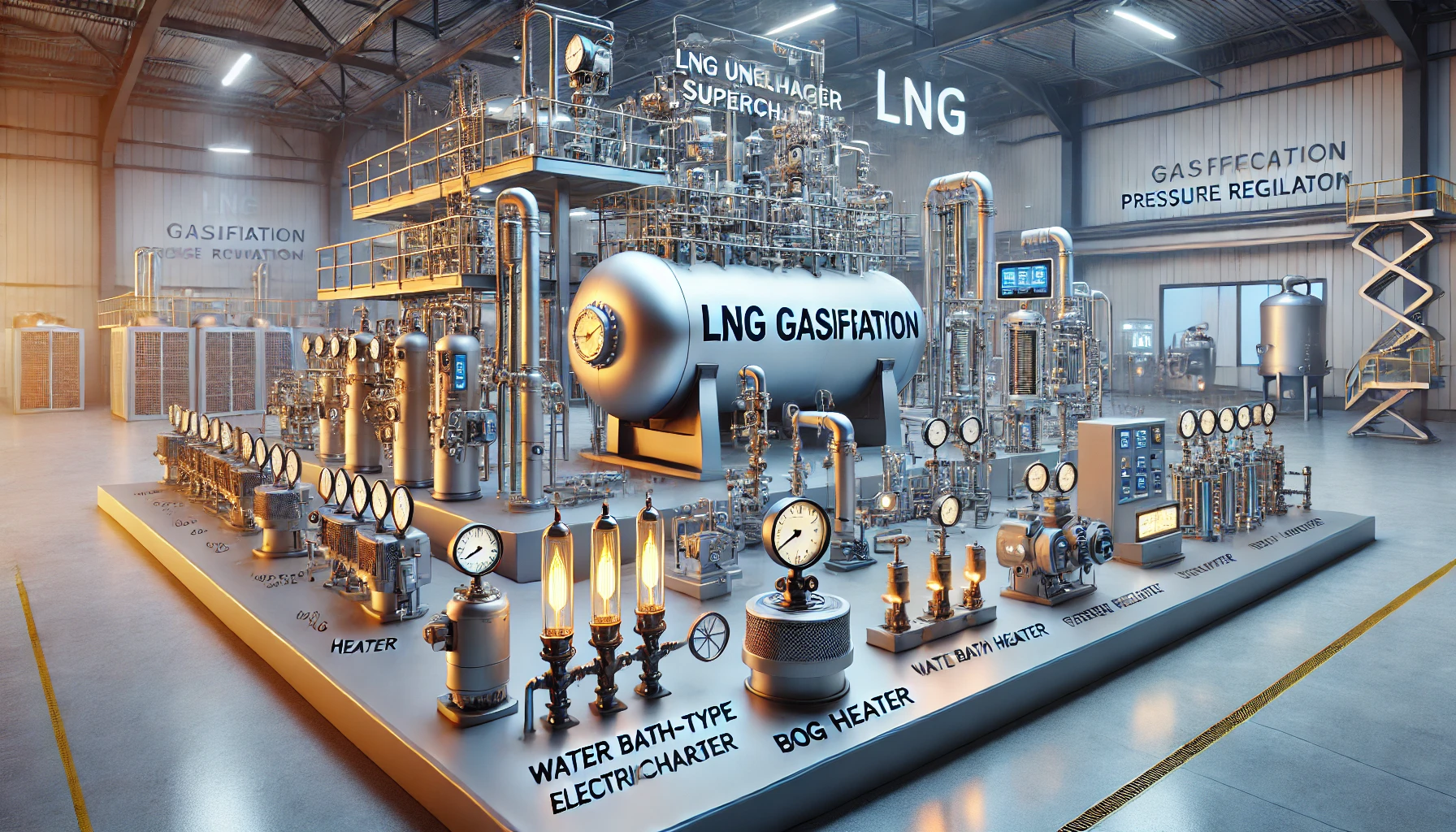
The LNG gasification pressure regulator system is crucial for ensuring a stable and secure supply of natural gas to small and medium-sized enterprises as well as large public users. This system includes key components such as the LNG gasifier, LNG unloader supercharger, BOG heater, EAG heater, water bath-type electric heater, valves, pressure regulators, flow meters, shut-off valves, safety relief valves, and odorant systems. These components work together to maintain safe and efficient gas distribution.
The system is designed to be flexible and can be tailored to meet the specific needs of various industries. By integrating advanced technologies and safety measures, it ensures reliability and safety in gas supply operations.
Equipment Commissioning
Before the LNG gasification pressure regulator system can be put into operation, it must undergo thorough commissioning to ensure all components are functioning correctly. This process involves several critical steps:
- Ensure that all valves on the device are initially closed to prevent accidental damage.
- Gradually open the inlet valve of the pressure regulating station to supply air to the equipment, while closely monitoring the pressure levels to prevent over-pressurization.
- Inspect the regulator and pipeline system for cleanliness, ensuring there are no rust, dust, water, or other impurities present that could affect performance.
- Conduct gas tightness tests on the pipelines and pressure regulators to confirm there are no leaks.
- Adjust the regulator to set the desired outlet pressure, ensuring that it matches the specific requirements of the gas consumption and characteristics.
During commissioning, set the cut-off pressure of the shut-off valve carefully to ensure it operates within the designated parameters. Adjust the release pressure of the safety valve, which is typically preset according to user specifications but may need minor adjustments on-site.
Operating Procedures
Once commissioning is complete, the system is ready for operation. The following steps outline the proper procedures to ensure safe and efficient operation:
- Verify that upstream and downstream pipelines meet normal ventilation requirements and that all sewage and gas release valves are closed.
- Open the inlet valve to the pressure regulator and monitor the outlet pressure to ensure it aligns with the required gas supply parameters.
- For systems equipped with a bypass, use the bypass valve to adjust downstream pipeline pressure during maintenance or emergencies, ensuring the outlet pressure remains within the desired range.
- When operating the bypass, a dedicated personnel should be present to monitor pressure changes and ensure safety.
The pressure regulator station should always be operated according to the manufacturer's instructions, ensuring that all safety protocols are followed to prevent equipment damage or gas leaks.
Safety Measures
Safety is paramount in the operation of the LNG gasification pressure regulator system. The following measures should be implemented to minimize risks:
- Clearly display warning signs on equipment enclosures or cabinets, indicating potential hazards and safety instructions.
- Regularly inspect and test electrostatic guidance devices and instrumentation to ensure they meet operational requirements and parameters.
- Avoid smoking and any activities that could generate static electricity near the equipment, as these could pose fire risks.
- Open valves slowly to avoid sudden pressure changes that could damage the system or lead to safety incidents.
- Regularly test and maintain emergency shut-off valves, ensuring they function correctly and meet the necessary safety standards.
It is also essential to ensure that gas meters and related equipment are installed according to national safety regulations, maintaining a safe distance from wires and pipes, and avoiding installations in areas such as bedrooms and bathrooms.
LNG Gasification and Pressure Regulation Systems for Industrial Users
Related Article