Krk Island LNG Terminal Development

Krk Island LNG Terminal Development
Introduction
The development of the LNG terminal on Krk Island marks a significant milestone in Croatia's energy strategy. As the first LNG terminal in the country, it plays a crucial role in diversifying energy sources and enhancing regional energy security. This article explores the development process, strategic importance, and environmental impact of the LNG infrastructure on Krk Island.
Krk Island LNG Terminal Development
Background and Construction
The LNG terminal on Krk Island was developed to reduce Croatia's reliance on traditional pipeline gas imports and to provide a more secure and flexible energy supply. Construction began in 2018 and was completed in 2021. The terminal includes state-of-the-art facilities for LNG unloading, storage, and regasification, allowing it to accommodate a wide range of LNG carriers.
Technological Advancements
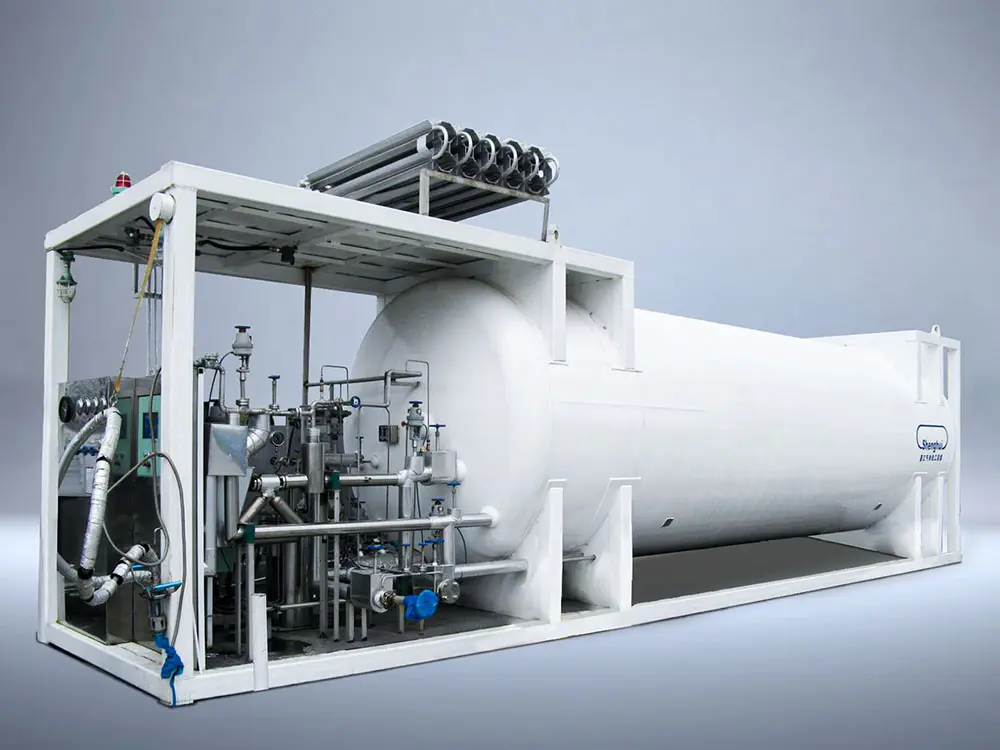
The terminal's design incorporates advanced technology to ensure efficiency and safety. This includes high-capacity storage tanks for maintaining LNG at cryogenic temperatures and modern regasification units that convert LNG back to its gaseous state for distribution. These features make the Krk Island LNG terminal a key asset in the region's energy infrastructure.
Croatia Energy Diversification Strategy
Strategic Importance
The development of the LNG terminal is a central component of Croatia's energy diversification strategy. By introducing LNG as an alternative energy source, Croatia can reduce its dependency on a single supplier and enhance its energy security. This strategy aligns with the European Union's objectives of creating a more integrated and resilient energy market.
Economic Benefits
The LNG terminal on Krk Island has brought significant economic benefits, including job creation and increased investment in the region. By providing access to a broader range of energy sources, it also supports the local economy and contributes to regional stability.
Environmental Impact of LNG Infrastructure
Environmental Assessments
Extensive environmental assessments were conducted during the planning and construction of the LNG terminal to ensure minimal impact on local ecosystems. Mitigation measures were implemented to protect marine life and reduce emissions, demonstrating a commitment to sustainable development.
Sustainability Initiatives
The Krk Island LNG terminal supports Croatia's transition to cleaner energy sources. By facilitating the integration of LNG, a cleaner alternative to coal and oil, the terminal helps reduce greenhouse gas emissions and aligns with global sustainability goals. Ongoing initiatives aim to further enhance the terminal's environmental performance and support renewable energy integration.
Conclusion
The LNG terminal on Krk Island is a pivotal development in Croatia's energy landscape, offering economic, strategic, and environmental benefits. It enhances energy security by diversifying supply sources and contributes to the country's sustainable development goals. As Croatia continues to invest in energy infrastructure, the Krk Island LNG terminal will play a vital role in shaping the region's energy future.
Senegal Prepares to Launch LNG Exports in Early 2024 with GTA Project Milestone
The Rise of Bio-LNG: A Sustainable Future
Related Article