China’s Rapid Growth and Challenges in the Natural Gas Industry
Development of China's Natural Gas Industry
Global Perspective
From a global point of view, the IEA judged that the global natural gas resource is about 784 trillion cubic meters. The natural gas resources are abundant, and the output shows a rapid upward trend. The areas where natural gas demand has grown faster are Asia, the United States, and the Middle East.
China's Natural Gas Development
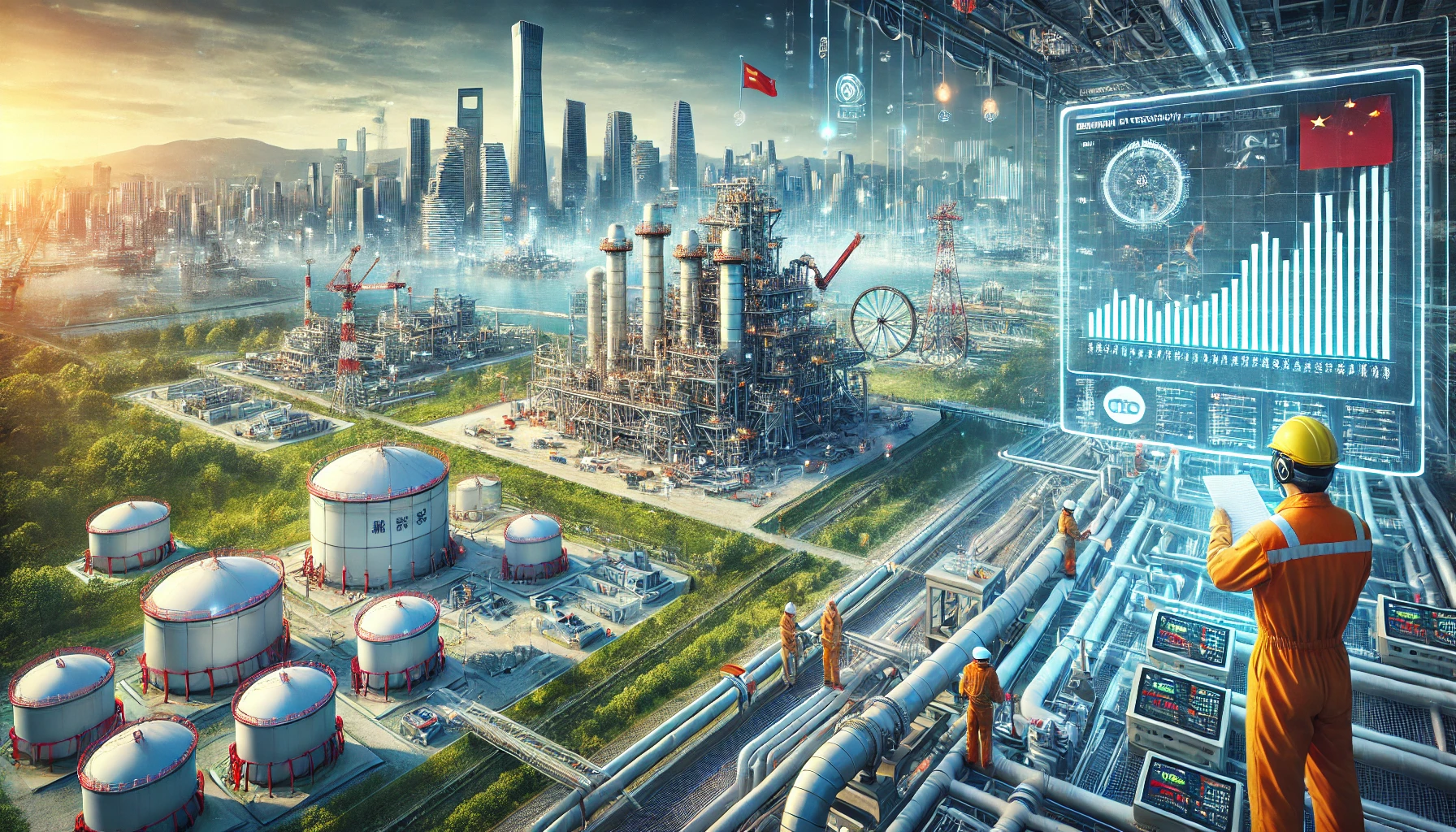
In the past ten years, the natural gas industry in China has developed very rapidly. The country's adjustment of its energy structure has provided new opportunities for the development of natural gas. Oil companies have increased the exploration and development of natural gas, and a series of exploration and development technologies have made breakthroughs and continued maturity, promoting the rapid development of the natural gas business.
Energy Development Strategic Action Plan
The "Energy Development Strategic Action Plan (2014-2020)" by the State Council’s General Office states that natural gas will account for 10% of China’s primary energy consumption by 2020, equating to 4.8 billion tons of standard coal. Natural gas consumption is expected to reach 360 billion cubic meters, aligning with China's energy development trends. China's natural gas industry has experienced significant growth over nearly 70 years across three phases, becoming the world's sixth-largest gas producer.
Natural Gas Reserves and Production
China's oil and natural gas reserves and production account for 70% of the country's total natural gas, forming the four atmospheric regions of Changqing, Tarim, Southwest, and Qinghai. The types of natural gas reservoirs developed by CNPC are complex, including low-permeability tight gas reservoirs, high-pressure-condensate gas reservoirs, carbonate gas reservoirs, loose sandstone gas reservoirs, volcanic gas reservoirs, and high-sulfur gas reservoirs. The development of these complex gas reservoir technologies has laid the foundation for the development of China's conventional gas reservoir technology.
Unconventional Natural Gas Development
PetroChina has formed a unique concept of gas field development, creating various natural gas development models such as Kela 2, Sulige, Jingbian, Longwangmiao, and shale gas. PetroChina actively promotes the development of unconventional natural gas, implementing a low-cost strategy for tight gas. The Sulige gas field is the largest natural gas field in China and the first low-cost gas field. Shale gas has developed rapidly, and its output is expected to grow significantly, becoming an important area for future natural gas production.
Future Challenges and Prospects
China's oil and natural gas production will show slow growth for conventional gas and rapid development for unconventional gas. However, challenges remain, including discovering high-quality gas reservoirs and cost pressures. Future efforts should focus on stable production of old gas fields, efficient development technologies, and cost reduction to achieve cost reduction and efficiency gains.
PetroChina Raises LNG Prices Amid Heating Season Supply-Demand Gap
Exploring Fixed and Skid-Mounted LNG Refueling Stations: Types and Uses
Related Article