PetroChina Raises LNG Prices Amid Heating Season Supply-Demand Gap
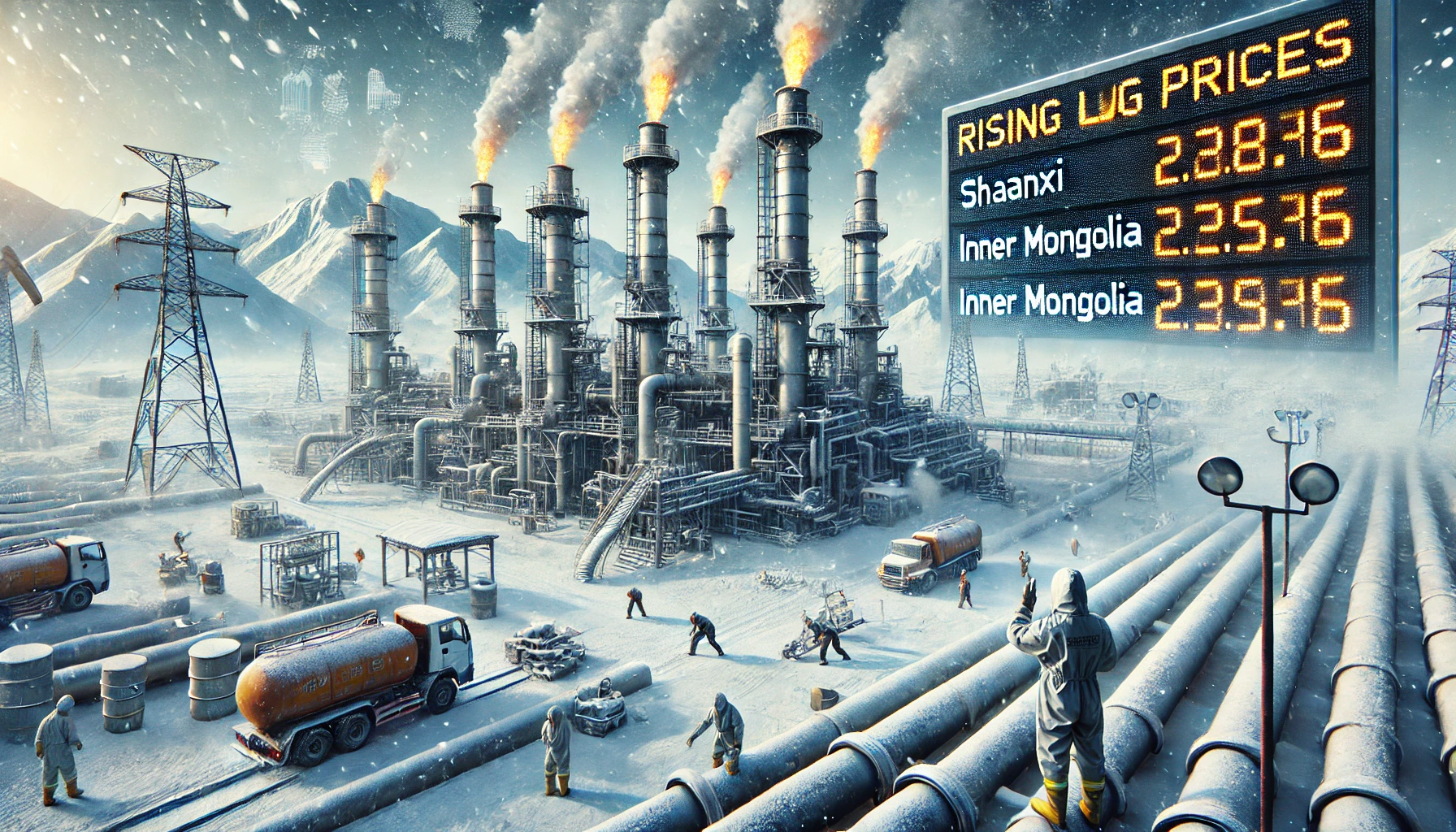
LNG Price Increases in Shaanxi and Inner Mongolia
Introduction
Due to the severe supply and demand situation of natural gas, CNPC has twice increased the LNG gas prices in Shaanxi and Inner Mongolia. Starting from November 1, CNPC's natural gas prices for LNG plants in these regions will be raised to 1.88 yuan/cubic meter, marking the second price increase since September.
Reasons for Price Increase
According to an official document from the representative office of West China Petroleum and Natural Gas Sales Co., Ltd., the contradiction between supply and demand has become prominent as China began centralized heating in November. CNPC increased its purchase price to address the shortfall. However, even with efforts to satisfy city gas supply, the demand from LNG plants in Shaanxi and Inner Mongolia cannot be fully met.
Impact on the LNG Market
The strong growth in natural gas consumption has led to supply limitations. In early September, LNG plants in Inner Mongolia, such as Acer Yijitai, received notifications about limited gas availability, and capacity reductions reached one-third by mid-to-late September. Liu Chaohui, an information analyst, noted that during peak periods, supply reductions to LNG plants could lead to further market price increases, which are expected to exceed 10% by February 2018.
National Development and Reform Commission's Notice
The National Development and Reform Commission issued a notice emphasizing the severe natural gas supply and demand situation during the peak winter period. The notice urged PetroChina, Sinopec, CNOOC, and other companies to optimize their mining plans, increase production, and ensure safety to meet the high demand. The growth rate of natural gas consumption in 2017 has been significant, and LNG downstream demand has shown alarming growth.
Market Bidding and Pricing
Since September 1, 2017, PetroChina, Sinopec, and CNOOC have launched pipeline gas/LNG online bidding transactions at the Shanghai Oil and Gas Trading Center to promote marketization. The bidding transactions reflect the supply and demand patterns, resulting in increased prices for non-resident gas users, including gas companies and LNG plants.
Future Outlook
Analyst Han Xiaoqing predicts a potential gas shortage in northern China during winter and spring due to increased demand from "coal to gas" conversions and infrastructure constraints. The supply gap in North China is expected to be the largest, affecting gas supply to fertilizer projects and LNG production projects, with restrictions in Shaanxi and Inner Mongolia.
LNG Refueling Stations: The Future of Green Transportation
China’s Rapid Growth and Challenges in the Natural Gas Industry
Related Article